Mostrando entradas con la etiqueta Emociones. Mostrar todas las entradas

5 manualidades para trabajar las emociones con materiales reciclados

Me encantan las manualidades recicladas, usar todo lo que podamos encontrar por casa en vez de tirarlo. Hoy os propongo 5 ideas sencillas para trabajar las emociones con vuestros hijos y/o alumnos usando diversos materiales reciclados.

1. EL JUEGO DE LAS EMOCIONES CON ROLLOS DE PAPEL


Los rollos de papel nos dan muchas posibilidades y en este caso vamos a usarlos para crear el juego de las emociones.

2711452

Se trata de crear personajes con caras giratorias que van cambiando de emoción, seguro que habéis visto alguna vez algo parecido. Será muy divertido inventar historias con los niños para ayudarles a identificar las emociones.

Podéis encontrar las instrucciones detalladas en The Craft Train , incluye las plantillas descargables y una historieta como idea para trabajar la empatía. 

Este otro modelo es una propuesta de PBSParents.org y debo decir que la sombrillita tipo refresco veraniego me ha encantado Risa

Emotions-final

2. CREA CARAS DE CARTÓN


Esta idea me encanta, los niños pueden pasar un buen rato modificando las expresiones de la cara: triste, feliz, enfadado…

changing-faces

Ayuda a los peques a expresar sus emociones modificando la expresión de la cara de cartón y dándole nombre a cada una de las emociones.

learning-emotions-make-a-face-angrylearning-emotions-make-a-face-embarrassedlearning-emotions-sad

Encontraréis las instrucciones en Mr Printables y la plantilla descargable en formato PDF aquí.

3. DIBUJA EMOCIONES CON PLASTELINA


Con esta idea también se trabaja la estimulación sensorial, ya que podéis usar plastelina o incluso otro tipo de masa de diferentes texturas como pasta de sal (cómo hacer pasta de sal). Sólo necesitáis la masa y un par de “googly eyes” que quedan muy divertidos.


PicMonkey Collage dough faces
Más información en sunhatsandwellieboots.com

Usa una plantilla con la silueta de una cara y plastifícala para que puedan usarla varias veces sin que se estropee. Aquí podéis descargar algunas caras Cuentosparacolorear.com.

4. MARIONETAS DE DEDO CON CÁPSULAS DE CAFÉ


Con esta idea tan original podéis montar una pequeña obra de teatro con las manos. A los niños les encantan las marionetas de dedo y seguro que disfrutáis un buen rato.

Para crear estos pequeños monstruitos sólo necesitáis varias cápsulas de café pequeñas (tipo nespresso), celo de doble cara o cola, papeles de colores, rotulador permanente y plumitas opcionales para hacer el pelo.
emotion-cup-puppets-craft
Más información en www.daniellesplace.com

Con la imagen no se necesita mucha explicación, básicamente es dibujar las caras y engancharlas en las cápsulas. Yo personalmente haría sólo la parte de la mitad del cuerpo hacia arriba, para poder introducir los dedos y convertir estos monstruitos en marionetas de dedo.

5. BOLAS ANTIESTRÉS CON CARITAS


Con globos, harina, lana y un rotulador permanente ya tienes todo el material necesario para esta manualidad sensorial.

stress-balls
Más información en freekidscrafts.com

Explica cada una de las emociones a los niños, háblales de cómo nos sentimos con cada una de las emociones y deja que estrujen estas graciosas bolitas anti estrés.

Sólo debes rellenar los globos con harina, enganchar un pompón de lana en la parte de arriba atándolo con un trozo sobrante de lana y dibujar las diferentes expresiones con el rotulador permanente.

Espero que os hayan gustado estas ideas y os haya motivado para hacer alguna de ellas.
Sonrisa

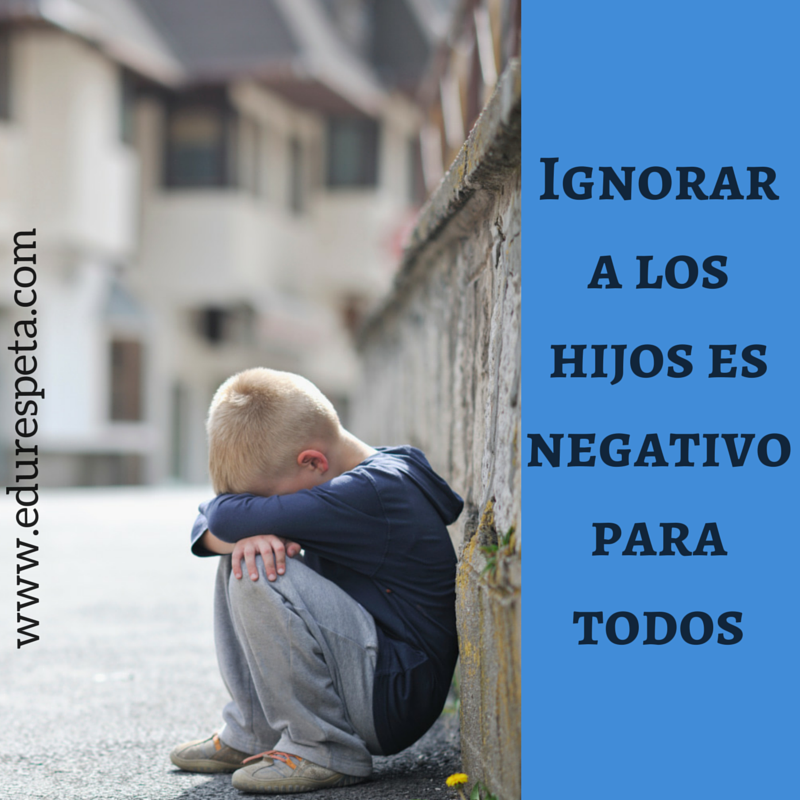
Ignorar a los hijos en un momento emocional intenso como las rabietas


Sí, reconozco que yo solía optar por ignorar las rabietas de mi hijo hasta hace poco. Lo creía por haber leído y escuchado a psicólogos y pedagogos infantiles, creía firmemente que era la mejor manera de hacerle entender que no conseguiría nada con esa actitud de gritos, golpes y patadas. 
Pero cuando ves que la angustia de tu hijo es evidente y que los episodios de frustración intesa no cesan, acabas sintiéndote mal contigo misma y preguntándote qué estás haciendo mal si los profesionales dicen que hay que hacerlo así, que eres una buena madre, que ya haces todo lo que puedes y sólo tienes que tener paciencia.
Acabo de leer un artículo que ha resuelto muchas de mis dudas, en este aspecto. A veces nos falta intentar ponernos en la piel de nuestros hijos, porque hay sensaciones que pasan desapercibidas para nosotros, pero para ellos es un cúmulo de emociones intensas y necesitan de apoyo para aprender a gestionarlas correctamente. 
Cuando tienes un hijo hipersensible, muy empático, algo impulsivo (mucho menos que hace un año, menos mal!), nervioso, algo ansioso y que se frustra con facilidad... las cosas se complican mucho, muchísimo incluso para una educadora que trata decenas de niños cada día.
Lean este artículo de Tania García, fundadora de www.edurespeta.com y piensen en esas situaciones en que vuestros hijos pueden sentirse ignorados y muy frustrados y que deberíamos tomar más en cuenta.

La Fase del No. Un cuento para ayudar a afrontar esta dura etapa.

English


El personaje que os adelanté hace unos días es el protagonista de un cuento llamado “No!”. Es un entrañable rinoceronte al que todo el mundo adora por ser tan tierno y simpático.
Arcie-p1_thumb1
El nombre de este alegre rinoceronte depende de la versión del libro: en Español se llama Rhino, también he visto una versión en la que se llama Otto pero nosotros tenemos la versión en Inglés en la que se llama Archie, así que con Archie se queda! 

Un día, Archie descubre la palabra “No” y decide que es su nueva palabra favorita. Todos se sorprenden y Archie empieza a usarla para casi todo: para vestirse, compartir, ponerse la chaqueta, etc.

Archie-p2_thumb4


Hasta que se da cuenta de que empieza a ser un problema.
Archie-p3_thumb6
No recuerdo exactamente dónde compré este libro, si en La Casa del Libro o en Fnac, pero en cuanto lo vi no pude evitar comprarlo, era perfecto para las rabietas de nuestro peque.
El primer día que lo leímos antes de dormir, me dio la impresión de que se sintió identificado con el personaje. Su expresión no era la misma que mostraba con otros libros, comenzó a hacer muchas preguntas como ¿porqué dice “no”?, ¿los papis se ponen tristes?, ¿los amiguitos van a jugar con el cuando diga “Yes”? Quería volver a leerlo e incluso me pidió dormir con él. Tuvimos una entrañable conversación abrazados mientras le cambiaba la cara de medio triste a alegre al explicarle que él también podía ser capaz de utilizar la palabra “Yes” y sentirse mejor.
Archie-frontpage_thumb4Archie-back_thumb3

Este libro se puede comprar por Internet, lo encontré en varios idiomas en la página web de Amazon. Mañana actualizo esta entrada y os adjunto los enlaces porque mis párpados empiezan a pesar.

Espero que podáis explicarme vuestras experiencias cuando leáis este cuento con vuestros hijos o alumnos, seguro que no se quedan indiferentes.
Buenas noches,

Título: NO!
Temática: Las Emociones. Fase del NO
Editorial: Little Tiger Press
Autores: Tracey Corderoy & Tim Warnes
Edad recomendada: Aunque está recomendado a partir de los 3 años, creo que a partir de los dos años también puede ser buena idea comenzar a leerlo, es sencillo y muy expresivo.

The Negative Stage. a tale to help you dealing with this hard stage.

Spanish


The character I talked you about few days ago is the main character of a tale called 'No!'.  It is a friendly rhinoceros that everyone loves for being so tender and nice.
Arcie p1

The name of this cheerful rhino depends on the version of the book, in Spanish it's called Rhino, I've also seen a version in which it's called Otto but we have the English version and it's called Archie, so let's call him Archie! :)

One day, Archie discovers the word "No" and decides that it is his new favorite word. Everyone is surprised and Archie begins to use it for almost everything: for getting dressed, sharing, putting the jacket on, etc.

Until he realizes that using the word begins to be a problem.


Archie p2


Archie p3
I don't remember where I exactly bought this book, whether at La Casa del Libro or at Fnac, but just when I saw it I couldn't stand  buying it, it was perfect for the tantrums of our little.


The first day we read it before sleeping, I found that he felt identifed with the character. His facial expression wasn't the same he used to show with other books, he started making questions like, why does he say 'no'?, are daddy and mommy sad?, are friends going to play with him when he sais 'yes'?. He wanted to read it again, he even wanted to sleep with it. We had a nice conversation hugiging each other while his face started changing from sort of sad to happy when I was telling him that he also was able to use the word 'Yes' and feel better.

Archie frontpage
Archie back

You can buy this book through Internet. I found it in several languages in the webpage of Amazon.

I would like to know your experiences when you read this book with your children. I'm pretty sure they won't stay undifferent.

Good night,

Title: NO!
Topic: The emotions. The negative stage.
Publisher: Little Tiger Press
Authors: Tracey Corderoy & Tim Warnes
Recommended age: Although it is recommended from 3 years, I think that it's also a good idea reading it from 2 years as it's easy and very expressive.

La Fase del “NO”

La fase del “No”, a veces resulta desesperante pero debemos saber que no es más que una fase de autoafirmación de los niños. De los 2 a 3 años aproximadamente, los niños intentan desafiarnos, tomar el control y ser ellos los que pongan las normas, ellos lo intentan pero los padres debemos enseñarles en buen camino con cariño y paciencia para que no acaben siendo niños caprichosos y tiranos.
Si tu hijo está continuamente poniendo al límite tu paciencia, utilizando la negativa para todo lo que le pides, cambiando de idea a cada segundo sólo para llevarte la contraria, si tiene rabietas, etc. tranquilo/a, porque todo esto forma parte del desarrollo de un niño sano.

Mi hijo tiene ahora 4 años, hemos pasado una época muy larga y dura, ya no sólo por lo nervioso que es, sino también porque las rabietas eran demasiado exageradas y a veces violentas intentando pegarnos a los padres. Era muy frustrante ver cómo su alta impulsividad no le permitía controlarse y llegamos a pensar que podía tener algo de hiperactividad o algún trastorno relacionado con los nervios.

Esta etapa suele mejorar a partir de los 3 años, nuestro hijo empeoraba en vez de mejorar, en el colegio no controlaba su frustración e impulsividad llegando a pegar a los compañeros, él era consciente de que hacía mal pero sufría porque no sabía cómo dejar de hacerlo.

Durante este año hemos aprendido y cambiado mucho, cada niño es un mundo y aunque como Maestra me pase el día tratando con niños de características parecidas, cuando llegaba a casa me sentía perdida sin saber muchas veces cómo poder ayudarle. Así que comencé a empaparme de libros de todo tipo, de hiperactividad, educación emocional, terapias conductivas, etc. Incluso contactamos con una Psicóloga Infantil familiar de una muy buena amiga.

La clave es procurar entenderles, tener muuuucha paciencia y hablarles siempre con respeto y cariño igual que nos gustaría que nos hablasen a nosotros. Cuando los adultos nos sentimos mal por algo y alguien nos habla en un tono de enfado, no nos ayuda a sentirnos mejor, pero en cambio, si las palabras son en un tono agradable nuestro humor tiene más posibilidades de mejorar y sentirnos mejor. Con los niños es igual, si te pide un juguete en una tienda y le dices que no puede ser porque habéis ido a buscar algo que necesitáis y no es momento para comprar juguetes, seguramente se enfadará e incluso puede tener una rabieta. En ese momento, no debes sentirte avergonzado, estás enseñando a tu hijo a no ser una persona caprichosa y tirana, lo estás haciendo bien. Tú le has dado la explicación de hablándole en un tono amable y cariñoso, ahora él te va a mostrar que no está de acuerdo, es su forma de expresarlo, aunque se tire en el suelo y grite. Yo pienso, al que no le guste que se aparte! jejeje la gente tiende a criticar, juzgar y mirarte como si fueras una mala madre pero ellos no saben cuál es nuestra situación así que olvídate de la gente y confía en ti.

Muchos psicólogos y guías de educación dicen que en una situación así te vayas y te escondas, que el niño vea que te alejas. Con nosotros esto no funcionaba, nuestro pequeño ni se movía del sitio y no dejaba de llorar y gritar incluso en medio de la calle hasta que alguien le decía algo y entonces se levantaba por vergüenza. Con nuestro hijo funcionaba más el ignorar la rabieta, seguir haciendo lo que iba a hacer a la tienda y que el viera que la rabieta no le servía de nada.

Cuando dicen que “no” a cualquier petición tienen que ver la consecuencia. Por ejemplo, “¿Puedes ayudarme a llevar los tenedores a la mesa?”, “No, no quiero”, “Pues entonces no podrás comer, yo estoy haciendo la comida y los demás también debéis colaborar, si no ayudas a poner la mesa no tendrás plato”, no hace falta que insistas porque sino se acostumbran que vas a insistir varias veces antes de que haga caso, los padres os sentáis a comer sin poner su plato. le decís que cuando decida ayudar podrá comer con vosotros  y ya veréis como enseguida va a por sus cubiertos y pide comida, eso sí, que lo pida “por favor” Smile

Utilizar siempre frases amables, les hará sentirse mejor y más seguros para expresaros lo que sienten, os dejo algunos ejemplos:

- ¿Podrías ayudarme dándome las pinzas? Así acabaré más rápido y podremos jugar juntos más rato.

- Sé que no quieres ponerte el abrigo, pero en la calle hace mucho frío y puedes enfermar. Yo me pongo muy triste cuando estás malito, además, si hacemos los recados rápido podremos ir al parque un ratito, pero sin abrigo no podrás ir.

. Aunque no te apetezca recoger tus juguetes, yo creo que deberías hacerlo porque si pisas tus trenes puedes caerte y hacerte daño o incluso podrías romper tu tren favorito. ¿Si no quieres que suceda será mejor recogerlos?, ¿Qué tal si lo recogemos juntos como cuando tú me ayudas con las pinzas?

Seguro que se os ocurren mil ejemplos como estos, comentar vuestras situaciones y ejemplos que se os ocurran.

Some Special Flowers to Express Emotions


This craft came to me after reading "Érase una vez un niño comepalabras" thinking about how to help my 4 years old son to express his emotions when he does not feel able to communicate with words.

                               Manoflores

 Smile

MATERIALS:

  • A small unpainted clay or plaster flowerpot  (plaster best, you have to paint less layers).
  • Acrylic paint.
  • Varnish.
  • Brush.
  • String or narrow ribbon to decorate the pot.
  • White or light colored cardboard.
  • Pencils and colors.
  • Adhesive books plastic cover (I recommend the brand "Aironfix" by the thickness of the plastic that is more rigid than others I've used).
  • Wooden sticks as the ones used for ice lollies (I bought a package of painted sticks in "Abacus" is where I find them more easily. If you live in EEUU or Canada, you are lucky having "Michaels" shops).
  • Hot glue gun or strong adhesive suitable for plastic.


INSTRUCTIONS:DSC_0444

1 First paint the flowerpot, choose a couple of colors to match. To start, I recommend painting the first layer of white because the brown mud is visible when the paint's dried.

2 Once the first layer dries, use the two chosen colors  to paint the flowerpot into two parts, the top and bottom as shown in the image. Let it dry and apply a layer of varnish to brighten and protect the color.
DSC_0447

 3. Then use a string or ribbon that you like to cover the line between the two colours and as a decorative detail. I used a plaited rope that would not look too narrow as the simple rope. I've sticked it around the flowerpot with hot glue ..
                                    DSC_0146
DSC_0436

4. Now comes my favourite part, draw the outline of the hands of the kids in cardboard. First let them try it by themselves, it is important to encourage them to do things for themselves. Then you can help them better to trace the drawing. You will need to draw as many hands silhouettes as emotions you want to work. I used the emotions that appear in the story “Érase una vez un niño comepalabras” :


  • Happiness
  • Sadness
  • Love
  • Anger
  • Fear
5. Now we've got the 5 hands we need. Draw each emotion gesture in the middle of each silhouette. As my son doesn't like to draw, my husband gave me a hand. He is an artists and drew some funny faces, but it's better that the kids make ther own drawings
.
 DSC_0446DSC_0445
6. Once all the emotions are drawn, we have to laminate them as it's going to be a material to manipulate  and in this way we avoid them to be easily ruined . Laminate both sides carefully, paying attention to not leave bubbles. If you try to take it off, you will probably breack the card so it's better to leave it with wrinkles if you see few.

NOTE: Icut out the shape before I laminated it, but I recommend to cut it out after sticking the "Aironfix". Just because you don't need to cut out twice and the edges will look better
.
DSC_0152

7. With a gun of hot glue, sitck the stick at the back side of the hand silhoutte. It has to look like a lollipop.

 DSC_0156DSC_0151

8. Fill the pot with something that can leave these "flowers" standing. I used brown coloured padding for teddies, simulating ground. You can use paper shavings or whatever comes to your mind.

                                    DSC_0168

Do you like it? Now you have to explain the kiddos how to use these "flowerhands" (or whatever you want to call it hehe).

THE ACTIVITY:
The idea is really simple, kids only hav to hold one of the hands when they feel like they don't want to talk.
For example, your son is sad because the water has dropped from the cup and he thinks that he's done something wrong. He doesn't want to talk although you ask him what's wrong (you have to pretend that you don't know what has happened, the most important thing is to encourage him to express his emotions). You show him the flowerpot and tell him to hold one of the hands to show you how he is feeling. In this way, he expresses his emotions although he is not speaking and you can talk to him about that it has been an accident and that he shouldn't be worried about it, maybe you can clean it together and he will feel better.
He can understand that there is a solution and a way to feel better.

Do you like the idea? Can you think about any other way to use this craft?

How to teach the emotions with a short story and a craft?


La increïble història del nen menjaparaulesEmotional education is essential in the development of children. Know and channel emotions will help them cope with the world around them, it is necessary to know oneself. 

The first book I want to talk about is titled "Érase Una vez un niño comepalalabras" The main character of this funny story decides to eat words related to emotions. Can you imagine a child who eats the word love? or the word sadness?, what would happen each time  he eats a word?. 

This charming boy invites us to travel through the emotions to help our children or students to know those emotions that we often do not understand. This story is a great tool to help our kids to express and channel their emotions. 
It also comes with a fantastic cootie catcher to play after reading. The cootie catcher has questions for children to think about what happens when you feel every emotion and in which situations they believe they feel each emotion. It is a game to talk with them, to make them think and realize that we all feel the same emotions. (The cootie catcher can be downloaded for free, check the link below). 

What can we do when children still struggle to speak? 

I offer a craft to share a good time with the kids and make a tool that could help them express how they feel. 
http://englishbookart.blogspot.com.es/2014/08/unas-flores-muy-especiales-para.html

I got this book in the library, but if you are interested to buy it, in the website of the publisher, BabulinkaBooks,  there is a list of their distributors.
BabulinkaBooks is a publisher with a very interesting collection of books for the emotional education. 

In the following link you can find more information about the book with some inside pictures and the cootie catcher to download in PDF format:


Title: "Érase una vez un niño comepalabras"
Theme: Emotions 
Publisher: Babulinka Books 
Authors: Marlet & Jordi Sunyer 
Recommended Age: From 4 years.


A game about feelings. “How does monkey feel?”

The first activity in English in this blog has been inspired by the book “Érase una vez un niño comepalabras”.
After having worked with the story and have understood each emotion, the kids can use their craft to learn the feelings through a game.

This activity is recommended for 3 to 5 years old kids, but it depends on their English level. You can also adapt the structures used to the level of the children.

This game is called “How does monkey feel?

The main character of the story tells us how he feels like when he is happy, sad, angry, etc.DSC_9957 For this game we need a teddy or something similar. In my case I’m going to use a monkey I made with a pair of old socks (if you want to make one check this link SockMonkey).

We also need 5 flaschcards showing the actions that the monkey will feel like doing when he feels one of the emotions of the story (listed below).

Feelings and actions:
Happiness – Laugh
Sadness – Cry
Love – Hug
Anger – Hit
Fear – Scare
Feelings Flashcards
The flashcards
THE GAME

1. Put the Feelings Hands you previously made on one side of the room and on the other side you should be with the monkey, flashcards and the kids.

2. Introduce the monkey to the kids.

3. Hold one of the flashcards next to the monkey and tell the children:
- The monkey wants to laugh (for example) or The monkey feels like hugging, how is he feeling?

And the kids have to answer:
- He is feeling happy!

4. Then the kids have to run and raise and hold the corresponding Feeling Hand, in this case the Happy Hand.

This is just a simple way to use the craft of the hands. I’m sure you can be inspire by this easy idea and create your own game.

Would you like to help me with more ideas? Come on, share it!! Smile